Crescent Marks and Corporate Campaigns: Which Brands Are Actually Getting Ramadan Right in America
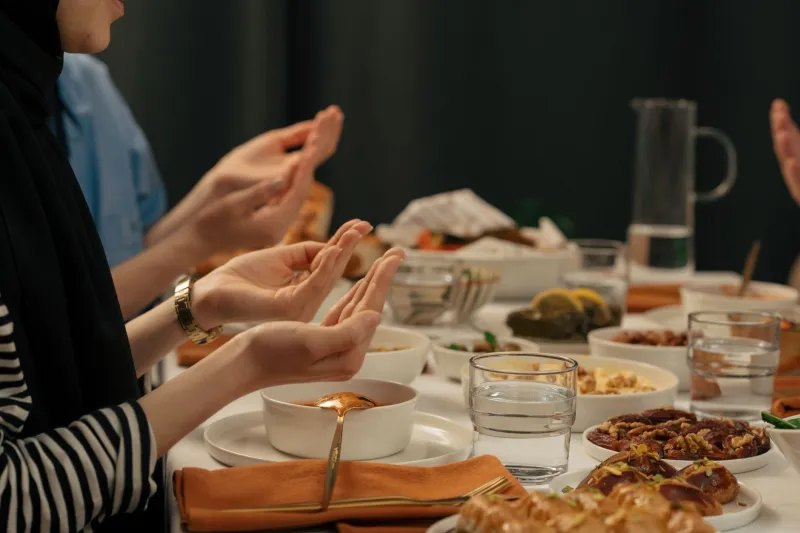
For a long time, Ramadan was invisible to American brands. The holiest month in the Islamic calendar — observed by an estimated 3.45 million Muslim Americans, plus millions more across Arab-American communities with varying degrees of religious practice — simply didn't exist in mainstream marketing calendars. Christmas got the full production. Hanukkah got the tasteful nod. Ramadan got nothing.
That's changed, and fast. Over the last five years or so, American companies have started showing up for Ramadan in a big way. The question is whether they're showing up right.
The Market Is Too Big to Ignore Anymore
Let's start with the numbers, because the numbers are what moved the needle. Muslim Americans represent a consumer market estimated at over $170 billion annually, according to research from the American Muslim Consumer Consortium. That figure gets brands' attention. Add to it the broader Arab-American market — not all of whom are Muslim, but many of whom observe Ramadan culturally — and you're looking at a demographic that has been dramatically underserved by mainstream advertising for decades.
Brands noticed. And once one major player made a move, the rest followed quickly. Now, Ramadan-specific campaigns from food companies, streaming platforms, retailers, and even financial services firms are becoming a standard feature of the spring marketing calendar.
But volume doesn't equal quality. And the Arab-American community has developed a sharp eye for the difference.
What Good Actually Looks Like
The campaigns that land tend to share a few characteristics. They're specific. They're researched. And they involve actual Muslim and Arab-American voices in the creative process — not as an afterthought, but from the beginning.
Hallmark Foods' 2023 Ramadan push, which featured a series of short-form videos centered on iftar preparation in American Muslim households, drew genuine praise from community members online. The videos were specific enough to feel real — showing the actual chaos of cooking for a large family after a day of fasting, the mix of Arabic and English at the dinner table, the particular exhaustion and joy of the last ten days of Ramadan. Nothing about it felt like a brand had looked up "Ramadan traditions" on Wikipedia and built a campaign around the results.
Several streaming platforms have also made meaningful investments. Rather than simply adding a Ramadan content badge to existing titles, some services have commissioned original programming specifically for the season — Arabic-language content, documentary projects about Muslim-American communities, or curated collections built with input from Arab and Muslim cultural consultants. That distinction matters: it's the difference between seeing yourself reflected and feeling like you've been added as an afterthought.
"When a platform actually licenses new Arabic content for Ramadan instead of just relabeling what they already had, that tells you something," says one New York-based media consultant who works with Arab-American audiences. "It tells you they did the homework."
The Miss-the-Mark Hall of Fame
For every campaign that gets it right, there are several that illustrate exactly how not to do this.
The most common failure mode is surface-level symbolism with no substance behind it. A crescent moon in the logo. A generic "Ramadan Mubarak" post with no follow-through. A "Ramadan sale" that has nothing to do with the actual needs or rhythms of people observing the month. These moves don't just fail to connect — they actively signal to the community that the brand sees them as a checkbox, not a constituency.
Then there's the food marketing problem. Several major food and beverage brands have run Ramadan campaigns featuring products that are either not halal-certified or contain ingredients that would be a problem for observant Muslims. The research gap there is both embarrassing and revealing. If you didn't think to check whether your featured product is appropriate for the audience you're supposedly celebrating, you didn't really think about the audience at all.
Perhaps the most cringeworthy category is what community members have started calling "Ramadan washing" — brands that make a loud, public show of Ramadan acknowledgment while having no Muslim employees in leadership, no halal product lines, no charitable partnerships with Muslim-American organizations, and no history of engagement with the community outside of this one annual post. The performative quality is obvious, and the backlash is swift.
"We can tell when it's real and when it's not," says a community organizer based in Dearborn, Michigan — home to one of the largest Arab-American populations in the country. "The brands that are actually part of our community all year long don't have to try as hard during Ramadan. We already know them."
The Authenticity Formula Isn't a Formula
Here's the uncomfortable truth for brand strategists: there's no checklist that guarantees a Ramadan campaign lands well. Authenticity isn't a deliverable you can spec out. It comes from relationships built over time, from investment in community partnerships that predate the campaign, and from creative teams that include people with genuine lived experience of what Ramadan actually feels like.
The brands that are consistently praised by Arab-American and Muslim-American communities aren't necessarily the ones with the biggest Ramadan budgets. They're the ones that show up the other eleven months of the year — hiring from the community, supporting Muslim-owned businesses, funding organizations that serve Arab-American families.
Ramadan campaigns that work are usually the visible tip of a much larger iceberg of authentic engagement. The ones that don't work are usually the entire iceberg.
What's Coming Next
The trajectory is clear: Ramadan marketing in America is going to keep growing. The demographic data supports it, the purchasing power is undeniable, and the cultural visibility of Arab and Muslim Americans continues to rise. More brands will enter this space every year.
The question is whether they'll do the work first or learn the hard way after a community callout goes viral. Based on recent history, it's going to be some of both.
For Arab-American consumers, the silver lining is real: the fact that brands are competing for this audience at all is a form of recognition that didn't exist a decade ago. The bar for what counts as genuine is rising, and the community is setting it.