No Studio, No Problem: How Arab-American Creators Are Turning TikTok Fame Into Full-Blown Media Empires
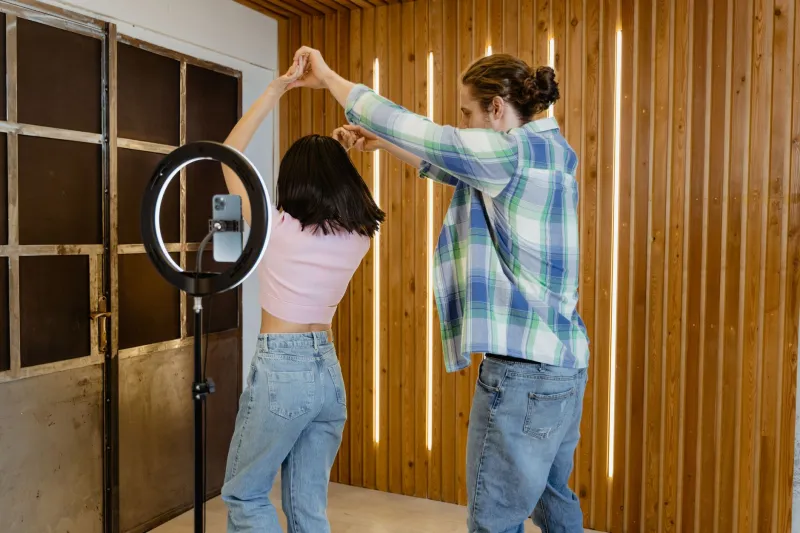
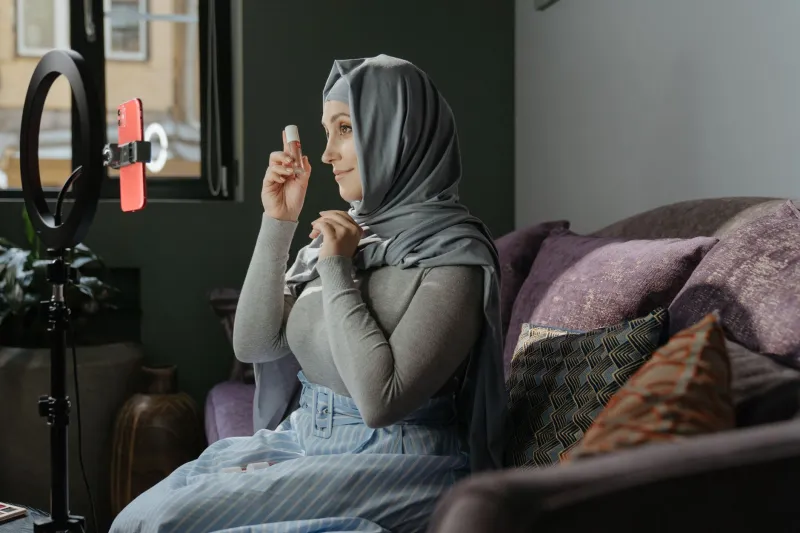
There's a moment that keeps repeating itself across the Arab-American creative community. A 22-year-old from Dearborn posts a video making fun of her teta's obsession with oud spray. It blows up overnight. Then comes the brand deal, the merch drop, the podcast, and — if she plays her cards right — the production company with her name on the door. No agent required. No studio executive to charm. Just a phone, a ring light, and an audience that was hungry for this exact thing all along.
This is the Arab diaspora's digital gold rush, and it's happening faster than most people realize.
From Followers to Founders
The pivot from content creator to full-scale media entrepreneur isn't new in the influencer economy, but Arab-American creators are doing something distinctly different with it. They're not just licensing their likeness to a snack brand or dropping a generic merch line. They're building vertically integrated entertainment businesses — think production arms, talent management, and original IP — that speak directly to an audience that mainstream media has historically ignored or flattened into a stereotype.
Take the wave of Arab-American creators who've used TikTok's algorithm as a launchpad and then deliberately moved their audiences off-platform. YouTube long-form content, Patreon communities, and Substack newsletters are becoming the second act after the viral moment. The logic is straightforward: TikTok hands you the reach, but you own nothing there. The smart money moves to owned channels fast.
Creators who've grown up watching their parents navigate two cultures simultaneously have an almost unfair advantage here. They're fluent in what resonates with Arab households in Anaheim or Houston or New Jersey, and they understand how to frame that experience for a broader American audience that's genuinely curious but hasn't always had a reliable guide.
The Business Model Hollywood Never Built
Here's what's wild about this moment: traditional studios spent decades either ignoring Arab stories or flattening them into background noise. The vacuum that created is exactly the market these creators are filling — and monetizing aggressively.
Merchandise is often the first revenue layer. Hoodies with Arabic calligraphy that actually means something. Candles that smell like a grandmother's kitchen in Beirut. Skincare products rooted in Levantine botanicals. These aren't novelty items. They're cultural artifacts with a profit margin, and the creator's audience trusts them in a way they'd never trust a corporate brand that stumbled into the same space.
But the real money — and the real power — is in content IP. Several Arab-American creators have quietly moved into producing scripted short films, docu-series, and web shows that are getting picked up by streaming platforms hungry for diverse content slates. The advantage they hold over a traditional production company pitching "authentic Arab stories" is obvious: they are the story, and their audience is already built in.
Funding, though, remains the friction point. Venture capital hasn't fully warmed to Arab-American media businesses the way it has to, say, Black-owned media ventures that benefited from a surge of investment attention in recent years. Many creators are bootstrapping through brand partnerships and community crowdfunding, which keeps them independent but limits how fast they can scale.
Culture as Currency
What makes this movement particularly interesting from a cultural standpoint is the intentionality behind it. These aren't creators who happen to be Arab. They're creators who've made their Arab identity the core product — and they're doing it with a level of nuance that's genuinely new.
There's a difference between content that performs Arabness for a non-Arab audience and content that actually reflects the interior life of Arab-American communities. The creators who are building sustainable businesses understand that difference intuitively. They're not explaining hummus to white America. They're making inside jokes that third-culture kids immediately get, and letting everyone else catch up.
That authenticity is, paradoxically, what makes them attractive to mainstream brands. Companies that spent years putting out tone-deaf campaigns are now lining up to partner with creators who can help them reach Arab-American consumers without embarrassing themselves. The creator's cultural fluency is a service, and they're charging accordingly.
The Infrastructure Question
One thing that separates the creators who stay at the influencer level from the ones who build lasting companies is infrastructure. Hiring an actual team. Setting up an LLC. Thinking about rights ownership before you shoot your first branded video. It sounds boring, but it's the difference between having a moment and building a business.
A growing number of Arab-American creators are also finding each other and forming informal networks — collectives, co-production arrangements, shared talent rosters — that function like mini-studios without the overhead or the gatekeeping. There's a mutual benefit to cross-promotion within this community that goes beyond clout. When one creator's audience discovers another creator through a collaboration, both sides gain followers who are already primed to care about Arab-American content. It's a flywheel that Hollywood's diversity initiatives never quite figured out how to spin.
Legal and financial literacy is another piece of the puzzle that's slowly improving. Workshops run by Arab-American professional organizations, mentorship from older-generation entrepreneurs, and a handful of entertainment lawyers who specialize in creator deals have started filling gaps that used to leave young talent exposed.
What Comes Next
The trajectory here points somewhere genuinely exciting. As short-form video continues to mature as a medium and platforms compete aggressively for creator loyalty with better monetization tools, Arab-American digital entrepreneurs are positioned to convert their cultural capital into something more durable.
The creators who are thinking three moves ahead aren't just asking how to go viral next week. They're asking how to own the archive of Arab-American storytelling for the next twenty years. How to build a brand that outlasts any single platform's rise or fall. How to create the kind of media company that their parents never saw themselves represented in.
Hollywood didn't build that company. So they're building it themselves — one video at a time, one merch drop at a time, one production deal at a time. And honestly? The content is better for it.