From Dystopian Baghdad to BookTok: How Arab Sci-Fi Quietly Invaded American Reading Lists
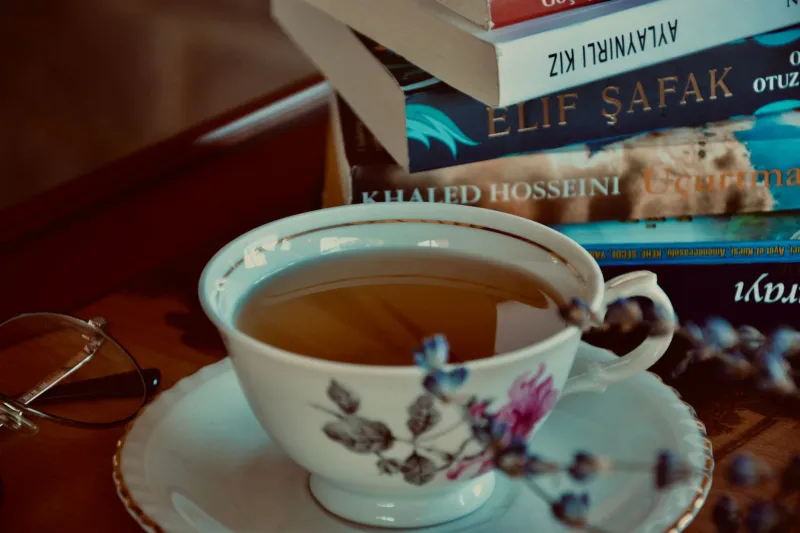
Ask a random American book club what they read last month, and there's a decent chance the answer involves a bombed-out Baghdad of the future, or a Cairo where algorithms decide who gets to dream. Five years ago, that sentence would've sounded absurd. Today, it's just Tuesday on BookTok.
The Trojan Horse Was a Genre
Here's the thing about speculative fiction: it lowers everyone's defenses. When a novel opens in a dystopia, readers lean in instead of bracing for a lesson. That's precisely why Arab writers and translators have found their American breakthrough in sci-fi and fantasy rather than the realist literary fiction that dominated translation for decades.
"Nobody picks up a 400-page novel about Baghdad expecting fun," one New York-based translator told us, laughing. "But a novel about Baghdad where the city is rebuilt by an AI that keeps erasing its own history? Now they're preordering."
The numbers back it up. Translated fiction has been one of the fastest-growing segments of the US publishing market, and Arab speculative fiction — long a heavyweight in the Arabic literary world — is finally riding that wave. Titles from Iraq, Egypt, and the Levant now show up on university syllabi, indie bookstore staff picks, and those end-of-year "best of" lists that used to be a closed club.
Baghdad After the Fall, and After That
Iraq has become something of an epicenter. A generation of Iraqi writers who lived through decades of upheaval turned to science fiction the way earlier generations turned to poetry — as a way to process the impossible. The result is a body of work that American readers are describing, with only slight exaggeration, as "Black Mirror meets Borges."
One recurring theme: memory as contested territory. In several of the novels now circulating in US book clubs, characters fight over archives, databases, and inherited stories — which is to say, over who gets to say what happened. American readers coming out of a decade of arguments about monuments, curricula, and history itself are finding the resonance hard to miss.
Egyptian cyberpunk, meanwhile, offers something different: dense, neon-lit Cairo futures where class, faith, and technology collide. Think William Gibson, but with microbuses, family obligations, and a grandmother who insists the protagonist eat something before saving the world.
The Translators Are the Real Main Characters
Every one of these books crossed a bridge, and translators built it. Unlike French or Spanish, Arabic has historically been undertranslated into English by an order of magnitude — a gap translators describe as less a pipeline and more a one-lane footpath.
"You're not just moving words," one translator explained over coffee in Dearborn, Michigan. "You're moving jokes, rhythms, Quranic echoes, references to TV shows nobody here watched. Every sentence is a negotiation."
Grants and prize programs — including dedicated awards for translated literature — have helped, as has the rise of small presses willing to gamble on unfamiliar names. And then BookTok did what publishers couldn't: it made a translated Iraqi novella a viral sensation simply because a 22-year-old in Ohio cried about it on camera.
What American Readers Are Saying
We sat in on a book club meeting in Chicago where the month's pick was an Egyptian speculative novel. The group — none of them of Arab heritage — spent forty minutes on the first three chapters.
"I expected it to feel foreign," one member said. "Instead it felt more honest than half the American dystopias I've read. The stakes are real. These writers aren't imagining collapse. They've seen it."
That may be the genre's secret weapon. American speculative fiction often treats catastrophe as a thought experiment. Arab speculative fiction treats it as a lived reference point — and readers can feel the difference on the page.
Where to Start If You're Curious
New to the scene? A few tips from the librarians and booksellers we spoke to:
- Start with novellas. Arab speculative fiction often works in compressed, punchy forms — perfect for a book club that meets monthly.
- Read the translator's note. It's usually short, and it will change how you read everything that follows.
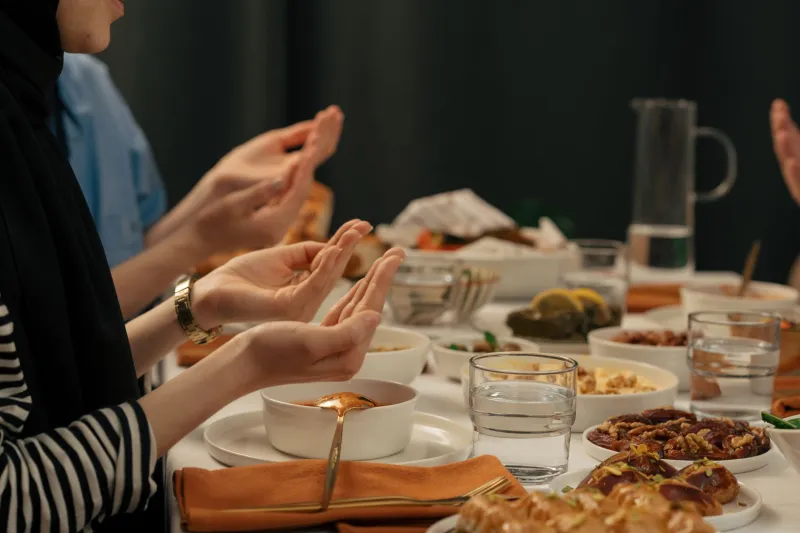
- Pair the book with the food. More than one club we heard about ended its discussion night with homemade kanafeh. We endorse this completely.
- Follow the prize lists. Awards for Arabic literature in translation are basically curated reading lists handed to you for free.
The gatekeepers of American publishing didn't exactly fling the doors open for Arab fiction — readers and translators quietly walked through an open window instead. And they arrived carrying dystopias, djinn, and futures nobody in the mainstream saw coming. Which, honestly, is the most science fiction ending of all.