The Arch Is the Point: How Arab Design Became America's New Living-Room Language
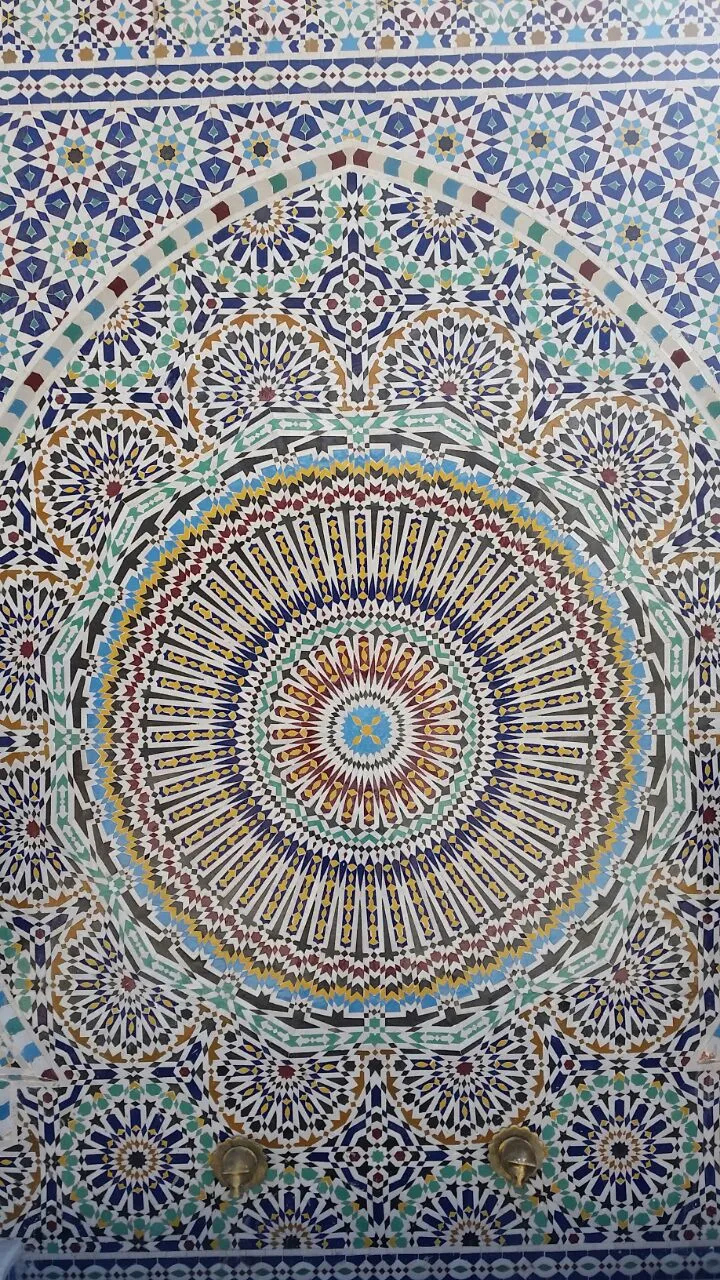
Photo: Orlysi, CC BY-SA 4.0, via Wikimedia Commons
Walk into a newly renovated apartment in Brooklyn or a flipped bungalow in Los Angeles, and you might see the same thing: a plaster arch where a rectangular doorway used to be, a slab of hand-cut zellige in the bathroom, a mashrabiya screen separating the entry from the living room. The palette is olive green, bone white, and terracotta. There is probably a fig tree in a clay pot.
This is not a niche look anymore. In 2026, Arab design elements are moving from restaurant backdrops and boutique hotels into ordinary American living rooms. The question is not whether it looks good. It does. The question is what it means.
From Restaurant Backdrop to Living Room
For years, Moroccan tile and Middle Eastern arches were something Americans encountered in restaurants — a hummus place with a fountain, a hotel lobby with a lantern. They were set dressing. Now they are being used in homes by people who may never have set foot in the region.
Designers say the appeal is partly visual and partly emotional. Arches soften a room. Zellige adds texture that paint cannot. Mashrabiya screens filter light in a way that feels both ancient and modern. In a housing market full of white boxes and gray vinyl floors, these elements offer warmth and a sense of history.
The Zellige Effect
The most visible import is zellige, the handcrafted clay tile from Morocco. Each piece is slightly different in color and thickness, which is the point. The imperfections catch light. A zellige shower wall can look like a jewel box or a bad DIY project, depending on the installer. Designers warn that the material is not forgiving. It needs a skilled hand and a realistic budget.
At the high end, importers are selling reclaimed zellige and custom colorways. At the low end, there are ceramic tiles that mimic the look and peel-and-stick versions for renters. The gap between the two is wide. A homeowner who wants the real thing should expect to pay for it — and should ask where it came from.
Arches, Screens, and the Light
The arch is the most democratic element. You can add an arch to a doorway with drywall and a good carpenter. You can buy an arched mirror for a rental. You can paint an arch on a wall. The shape reads as Mediterranean, but it also reads as soft and inviting. That is why it has spread so quickly.
Mashrabiya screens are trickier. Traditionally, they are carved wooden latticework designed to provide privacy and shade while letting air through. In an American home, they are often used as room dividers or closet doors. When done well, they add depth and shadow. When done badly, they feel like a theme-park version of the Middle East. The difference is usually craftsmanship and context.
Olive Trees and the Fantasy of the Levant
Then there is the olive tree. The potted olive has become the signature plant of this aesthetic — a symbol of peace, age, and sun. In colder climates, it lives indoors or on a heated patio. It is also expensive and sometimes hard to keep alive. Designers joke that the olive tree is the new fiddle-leaf fig: beautiful, photogenic, and prone to dramatic death.
The plant matters because it signals a mood. The American version of this trend is not really about the Arab world as it is. It is about the Arab world as a feeling: warm, old, family-centered, and slightly sun-bleached. That feeling is real, but it is also a fantasy. The best designers know the difference.
Appreciation or Pastiche?
The line between appreciation and pastiche is not always obvious. A zellige backsplash is not cultural appropriation. A mashrabiya screen used as a decorative prop in a themed room might be. The difference is usually respect: for the craft, for the source, and for the people who live with these forms every day.
Some Arab-American designers are now pushing back against the trend's shallowest versions. They want credit for the artisans who make the tile. They want importers to tell the story of the craft. They want homeowners to know that a zellige pattern is not just a color palette. It is a history.
The Rental-Friendly Version
Not everyone can renovate. The rental market has responded with arched mirrors, peel-and-stick tile, and fabric screens that mimic mashrabiya. These are not the real thing, but they let renters participate in the trend without a security deposit fight. Designers say that is fine — as long as the renter knows what they are buying. A printed pattern is not hand-cut tile. A fabric screen is not carved wood. The look can be beautiful, but the story is different.
What Designers Want You to Know
If you are going to bring Arab design into your home, start with one element. Do not do the arch, the tile, the screen, and the olive tree all at once. Let the room breathe. Buy from importers who can tell you where the material came from. Hire an installer who has worked with zellige before. And if you are using a sacred or traditional form, ask yourself whether you are honoring it or just decorating with it.
The trend is not going away. In 2026, Arab design is part of the American interior vocabulary. The arch is the point. The question is what you build inside it.