Streaming in Arabic: How a New Generation of Arab Artists Conquered Spotify, TikTok, and Your Playlist
Somewhere between a viral TikTok sound and a Spotify editorial playlist, something shifted. Arabic music — once largely confined to regional charts and diaspora living rooms — started showing up everywhere. In gym playlists in Los Angeles. In the background of wedding receptions in Atlanta. In the earbuds of teenagers in Ohio who couldn't tell you a single word of Arabic but have played the same song 47 times.
This isn't a fluke. It's a movement, and the streaming data in 2024 makes that impossible to argue with.
The Numbers Don't Lie
Let's start with the scale of what's happening. Spotify reported that streams of Arabic-language music grew by over 35% year-over-year heading into 2024, with artists like Marwan Moussa, Wegz, and Cairokee racking up hundreds of millions of plays globally — not just in MENA markets, but across Europe, North America, and Southeast Asia. Mohamed Hamaki's catalog alone has crossed the billion-stream threshold. Amr Diab, the godfather of Arabic pop, remains one of the most-streamed Arabic artists on the planet, decades into his career.
But the more interesting story isn't the veterans. It's the kids who grew up on those veterans and then completely reinvented the playbook.
The Cairo Trap Wave
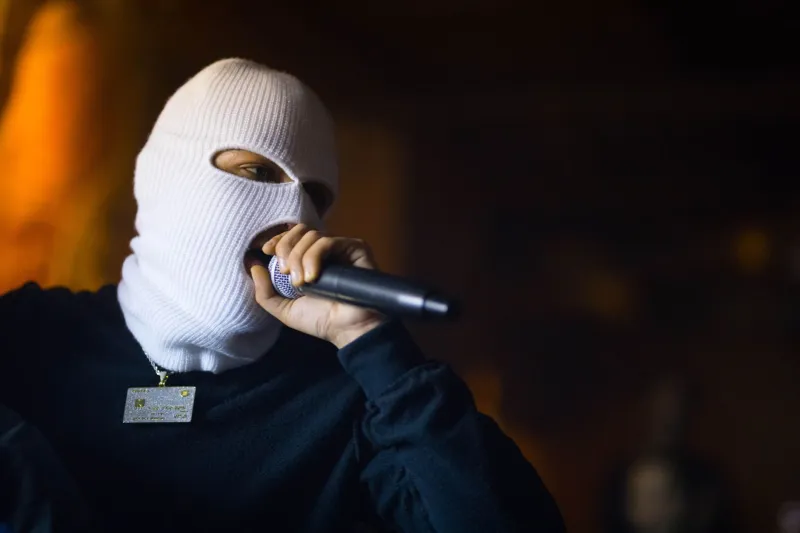
If you want to understand the sound that's driving Arabic music's global moment, you have to talk about what's been coming out of Egypt. Cairo's underground rap and trap scene, centered around artists like Wegz, Afroto, and Marwan Moussa, has produced some of the most sonically adventurous music in the Arabic-speaking world — and it's been eating up streaming real estate accordingly.
Wegz in particular feels like a case study in how to build a global fanbase without abandoning your roots. His production blends 808s and hi-hats with distinctly Egyptian melodic sensibilities — the kind of thing that hits your chest in the same way regardless of whether you grew up in Cairo or Cleveland. His 2023 album El Najem debuted at number one on multiple regional charts and generated a TikTok moment that pushed his streams into entirely new markets.
"The music is Egyptian but the feeling is universal," one music journalist based in New York told us. "That's always been the secret with the best pop music, right? You don't need to understand the words to feel the emotion."
TikTok: The Great Equalizer
No conversation about Arabic music's global rise can skip TikTok, because TikTok is basically the reason we're having this conversation at all.
The platform's algorithm doesn't care about language barriers. It cares about hooks, about the first three seconds, about whether a sound makes someone want to move or cry or film themselves doing something ridiculous. Arabic music — with its melodic complexity, its emotionally direct vocal performances, and its rhythmic variety — turns out to be extraordinarily good at all of those things.
Songs by artists like Nancy Ajram and Elissa have found entirely new audiences through TikTok trends, with users in countries that have zero historical connection to Arabic music creating videos around their sounds. Lebanese dabke rhythms have become the backbone of dance challenges. Egyptian mahraganat — the hyperkinetic, street-born genre that blends electronic production with sha'bi folk traditions — has become a recurring feature in global "sounds" that TikTok users reach for when they want something that just goes.
The app has essentially done what decades of record label international marketing budgets couldn't: made Arabic music a default option for global listeners, not a niche curiosity.
Production Is the Secret Weapon
Beyond the artists themselves, the producers shaping contemporary Arabic music deserve serious credit for the genre's global traction. A new generation of beatmakers — many of them based in Cairo, Beirut, Dubai, and increasingly in diaspora hubs like Dearborn and London — are building sounds that exist in genuine dialogue with global trends without losing their distinctiveness.
Producers like Ziad Rahbani's musical descendants in Lebanon, or the Cairo-based production collectives feeding the trap wave, are fluent in the language of international pop but are choosing to write in Arabic — aesthetically and literally. The result is music that slots naturally into global playlists while still carrying the specific emotional and cultural weight of its origins.
Streaming platforms have noticed. Spotify's MENA editorial team has grown significantly, and Arabic music playlists like Yalla and Arabic Hits have become meaningful discovery engines, not just afterthoughts. Apple Music has made similar investments. The infrastructure for Arabic music to travel is genuinely better than it's ever been.
The Diaspora Effect
There's another factor that doesn't always make it into the streaming analysis but is absolutely central to the story: the Arab diaspora in the US and Europe.
Arab-American communities — concentrated in cities like Dearborn, New York, Houston, and LA — have always been a critical early audience for Arabic music stateside. But what's changed is their visibility and their amplification power. Arab-American fans aren't just consuming music; they're creating content around it, sharing it across platforms, and serving as cultural translators for non-Arab friends who get curious after hearing something at a party or in a video.
This diaspora amplification loop — artist releases music in Cairo, diaspora fans in Dearborn share it on TikTok, non-Arab American teenagers discover it through the algorithm — is a genuinely new phenomenon, and it's accelerating the pace at which Arabic music crosses over.
Who to Watch Right Now
If you're just getting into the scene, here's a quick orientation. Wegz and Marwan Moussa for the Cairo rap and trap side. Cairokee if you want something with more rock influence and political edge. Elyanna — a Palestinian-Chilean artist based in the US — for a sound that sits beautifully at the intersection of Arabic tradition and contemporary R&B. Dystinct, the Moroccan-Dutch rapper whose bilingual flows have been making serious noise across European streaming charts and are starting to land stateside.
And honestly? Just open Spotify, search "Arabic Hits," and let the algorithm do the rest. You're about five songs away from a new obsession.
The Bigger Picture
What's happening with Arabic music in 2024 is bigger than chart positions or streaming milestones. It's about a culture asserting its place in the global conversation — not by assimilating or softening its edges, but by showing up fully as itself and trusting that the world will meet it there.
At Almisk, we've been saying this for a while: Arab culture doesn't need a Western co-sign to be world-class. The streaming numbers are just finally making that argument in a language the industry understands.