Stamped in the USA, Rooted in the Arab World: The Luxury Brands Pulling Off Both at Once
There's a quiet revolution happening in the premium goods market, and it doesn't look like what you'd expect. It's not coming out of Paris or Milan. It's not backed by a century-old European house. It's coming from Arab-American entrepreneurs who've figured out something the luxury industry is still catching up to: you can build something deeply, unapologetically rooted in Arab culture — and manufacture it right here in the United States — and that combination? It hits different.
Call it the new hybrid luxury. Call it cultural manufacturing. Whatever you call it, it's working.
The 'Made in America' Label Just Got a Lot More Interesting
For decades, 'Made in America' carried a very specific image — think denim, pickup trucks, maybe a craft brewery in Vermont. Arab heritage wasn't exactly part of that mental picture. But a new generation of founders is rewriting that association entirely, and they're doing it at the premium end of the market.
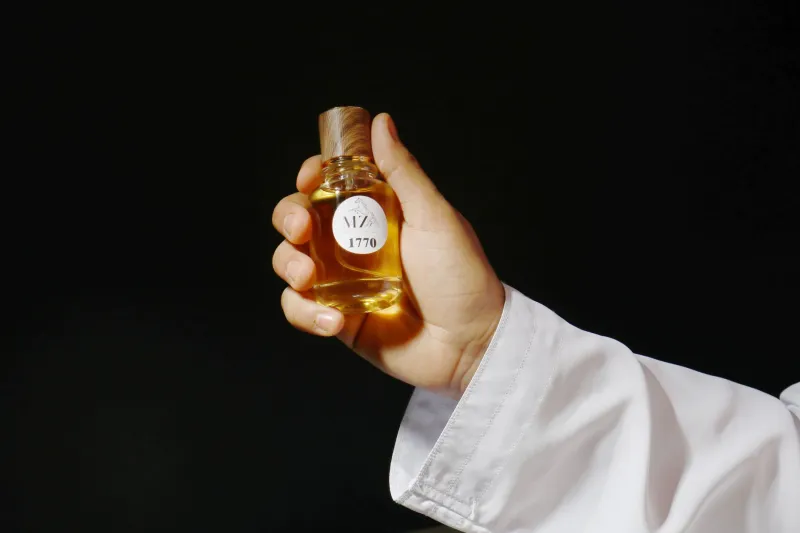
Take the home fragrance space. Several Arab-American founders have built entire product lines around traditional Gulf and Levantine scent profiles — think bakhoor, oud wood, amber resin, rose water — while sourcing ingredients globally and doing their blending, bottling, and fulfillment out of facilities in cities like Los Angeles, Detroit, and Houston. The result is a product that carries genuine cultural DNA but can legitimately wear the 'crafted in the USA' badge. For American luxury consumers who care about both provenance and production ethics, that's a compelling story.
And it's not just fragrance. Arab-owned labels in cosmetics, leather accessories, and artisan textiles are making the same calculation — leverage American infrastructure, keep the cultural identity loud and proud, and watch the two things amplify each other rather than cancel out.
Why the Hybrid Approach Is a Competitive Advantage
Here's the business logic, because it's genuinely smart. American manufacturing gives these brands access to faster production cycles, cleaner supply chain transparency, and easier compliance with US retail and e-commerce standards. That matters enormously when you're trying to get onto the shelves of a Neiman Marcus or into the curation of a luxury subscription box.
At the same time, the Arab cultural identity isn't just aesthetic window dressing — it's a genuine differentiator in a market that's drowning in sameness. The American luxury consumer in 2024 is bored. They've seen every minimalist Scandinavian candle brand, every 'clean beauty' startup with a sans-serif font and a neutral palette. When a brand walks in with centuries of olfactory tradition behind it, with design language pulled from Islamic geometry or Levantine embroidery, with a founder who can speak to the actual cultural history of their ingredients — that's a story people want to buy into.
So the hybrid model isn't a compromise. It's a strategy.
The Founders Making It Happen
The faces behind this movement tend to share a few things in common. Many are second-generation Arab-Americans who grew up straddling two worlds and are now building businesses that reflect exactly that. They know how to talk to a buyer at Bloomingdale's and how to explain the significance of frankincense in Gulf hospitality culture. They're fluent in both.
Some have formal fashion or business school backgrounds. Others learned their craft from family — a grandmother who made her own kohl, an uncle who ran a spice import business out of Dearborn. What they all share is a refusal to flatten their heritage for the sake of palatability. These aren't brands that hint at Arab culture. They lean into it, full weight.
One emerging cosmetics founder based in New York — who produces her entire line out of a certified lab in New Jersey — describes her approach this way: the formulas are inspired by beauty rituals her mother brought from Damascus, but the manufacturing meets every US clean beauty standard her retail partners require. She doesn't see tension there. She sees opportunity.
What American Consumers Are Actually Responding To
The market data backs up the instinct. Luxury consumers — particularly millennials and Gen Z buyers with real purchasing power — are increasingly drawn to brands with what marketers call 'cultural specificity.' Generic luxury feels hollow to this cohort. They want to know where something comes from, who made it, what tradition it carries.
Arab luxury brands in the US are sitting on an enormous amount of that kind of story. The Arab world has one of the richest material cultures on the planet — centuries of craft traditions in textiles, metalwork, ceramics, perfumery, and more. When a brand can connect a modern product to that lineage while also meeting American consumers where they are (clean ingredients, ethical production, fast shipping, great Instagram), it's genuinely hard to compete with.
Retailers are noticing. A handful of Arab-owned luxury brands have quietly landed placement in major American department stores and boutique multi-brand retailers over the past two years. Others are building direct-to-consumer businesses that are outperforming industry benchmarks for customer retention — because when someone connects emotionally with a brand's story, they come back.
The Bigger Cultural Conversation
There's something worth sitting with here that goes beyond market strategy. These brands are doing something culturally significant. They're inserting Arab identity into a space — American luxury manufacturing — where it has historically been invisible. They're saying, in the clearest possible way, that Arab heritage belongs in the premium tier. That it doesn't need to be exoticized or diluted to earn a seat at the table.
In a moment when Arab-American identity is navigating a lot of complicated public terrain, there's something genuinely powerful about a brand that just... builds something beautiful, makes it here, and puts its full cultural self on the label.
That's not a small thing. And the market, slowly but surely, is starting to understand that.
What Comes Next
The brands leading this wave are still mostly operating at the boutique or emerging scale. But the infrastructure is being built — the manufacturing relationships, the retail partnerships, the consumer awareness. The next few years could see several of these labels break through to genuine mainstream luxury recognition.
If they do, the 'Made in America' label will mean something new. Something richer. Something that finally reflects the full range of people actually making things in this country.
And honestly? That's a better story for everyone.